UV Laser Marking Machine
UV laser printers offer precise, high-contrast markings that are resistant to fading, making them perfect for industries where traceability and safety are critical. These printers are widely used by pharmaceutical, medical, and cosmetics manufacturers to ensure that codes remain readable throughout the product’s lifecycle—from production and packaging to distribution and end-use. Their ability to create fine, detailed marks on delicate materials without causing damage helps meet strict regulatory standards while maintaining product integrity.
Product Information Overview
Precision UV Laser Marking for High-Quality Metal Surfaces
PRODUCT OVERVIEW
Product Advantages
Industry trend
Manufacturers of PET packaging are increasingly turning to "thin-walled" PET materials to cut down on production costs and reduce environmental waste. However, this thinner material poses a challenge for traditional laser marking, as it's more prone to burning or distortion. UV laser printers offer a reliable solution by delivering precise, low-heat marking that avoids damaging the delicate surface while still achieving clear and accurate results.
At the same time, stricter regulations around pharmaceutical packaging and labelling have prompted many companies to move away from ink-based systems and adopt laser marking technologies for better compliance, traceability, and product integrity.
High-density polyethene (HDPE) bottles remain a top choice for packaging pharmaceutical products, as they are durable and reliable. These bottles require clear, permanent labelling to ensure adequate product tracking. UV laser printers excel in this area, creating dark, high-resolution codes on the light-coloured surface of HDPE bottles. The result is legible, long-lasting markings that meet industry standards and remain visible throughout the product's lifecycle.
Minimizes thermal impact
UV lasers emit high-energy photons capable of directly breaking molecular bonds. This allows marking and processing to be done without generating surface heat, effectively minimizing material damage and ensuring high-precision results.
The interaction between the laser and the material causes a color shift due to a chemical transformation.
As electronic components get smaller each year, the plastic used to cover them is also getting thinner. Using a regular laser (1064nm) might go through this thin cover and damage the parts inside. However, using a UV laser (355nm) is a better choice because it is absorbed more easily by the surface, so it doesn’t go deep and helps protect the inside from harm.
Product Applications
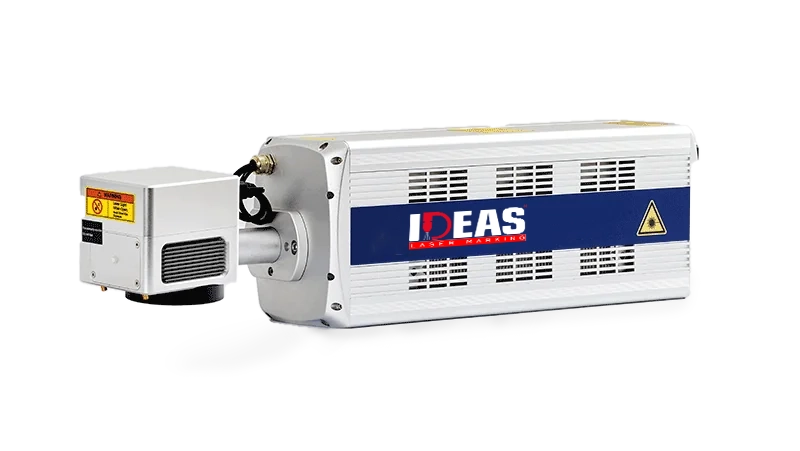
UV lasers use a short-wavelength ultraviolet light source as the active medium, making them ideal for producing fine, permanent, and high-contrast markings on sensitive materials such as glass, ceramics, plastics, silicon, medical devices, and electronic components. Using a process called “cold marking,” they prevent heat damage, ensuring the integrity and surface quality of delicate products. Their exceptional accuracy makes them highly suitable for industries requiring micro-marking, traceability, and anti-counterfeiting.
These lasers deliver high-speed operation with sharp results, helping manufacturers balance productivity with precision. They are built for durability, requiring very little upkeep over time, and reducing running costs. UV lasers also eliminate inks, solvents, and chemicals, making them an eco-friendly choice that generates almost no waste. With their compact structure, flexible setup, and easy integration, UV lasers provide a versatile, sustainable, and reliable solution for advanced marking needs.
list of items
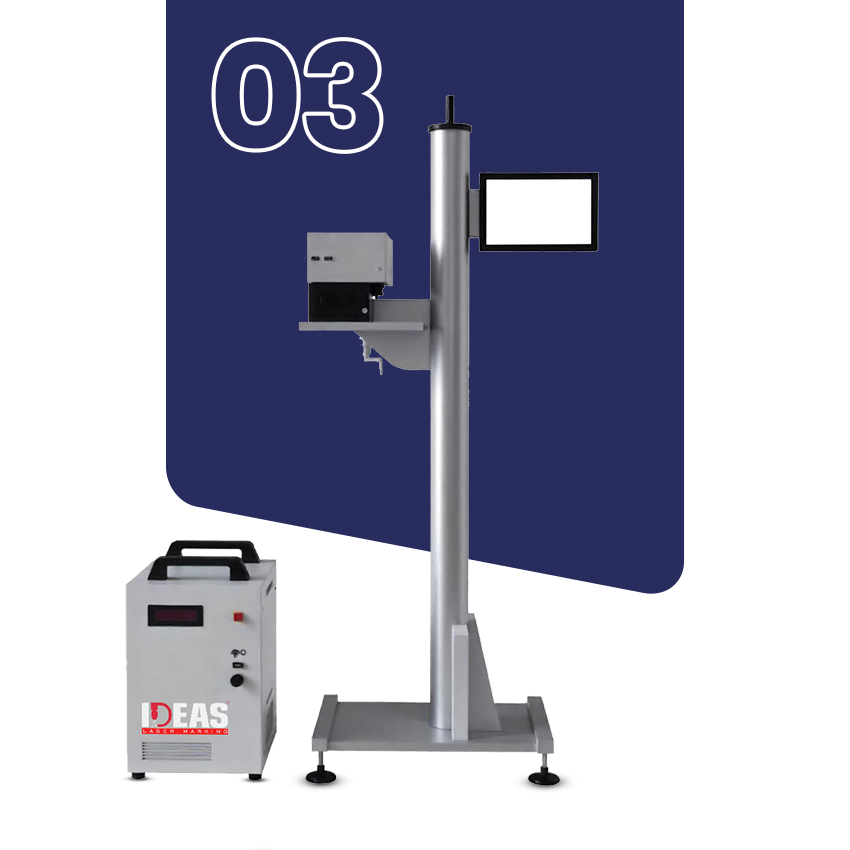
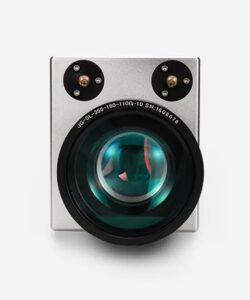
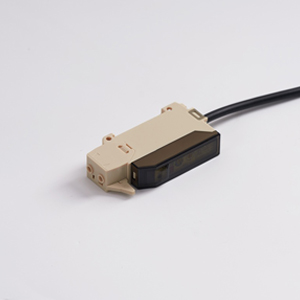
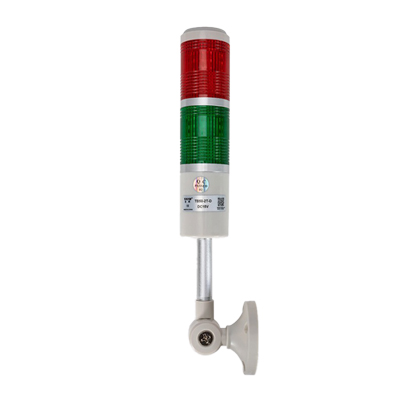
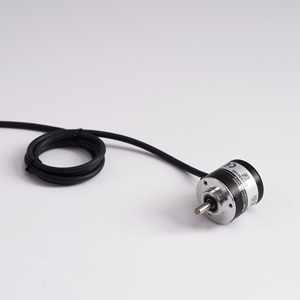
Each UV laser printer comes as a fully equipped package, providing everything required for quick setup and efficient operation. The standard kit includes the UV laser marking head designed for ultra-fine, high-contrast, and permanent coding on a wide range of materials. It also features a reliable control unit that manages the system’s precision and stability, along with a high-accuracy encoder that synchronises the marking process with the movement and speed of the production line. A photoelectric sensor is provided to detect the presence of items, ensuring the laser marks are applied at precisely the right moment.
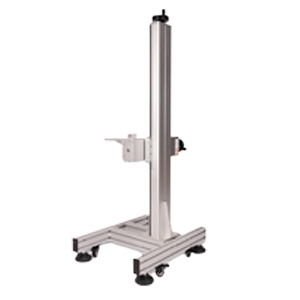
For ease of use, the printer is operated through an integrated touchscreen panel, offering a simple interface to configure parameters, check system status, and manage marking tasks. A durable lifting bracket allows flexible positioning and smooth integration into different production environments. To complete the package, all required cabling is included along with detailed user manuals, making installation, operation, and troubleshooting straightforward and hassle-free.

Technical Specifications
| Category | Specification |
|---|---|
| Laser Type | Q-switched pulsed lasers |
| Max Output Power | 3W / 5W / 10W |
| Laser Wavelength | 355nm |
| Laser Lifetime (avg) | 15,000 hours |
| Laser Class | Class 4 (IEC60825-1 compliant) |
| Max Linear Speed | 20 m/s |
| Marking Speed | Up to 30 characters/sec |
| Coding Angle | Downward (90°) or flat (0°) |
| Marking Area | 70x70mm, 100x100mm, 140x140mm, 200x200mm |
| Vibrometer | 8mm / 10mm |
| Beam Expanders | 2–10x (6x standard) |
| Spot Size | 20μm |
| Marking Distance | 255–265mm |
| Touch Interface | Built-in 10" Win10 touch screen |
| Communication Ports | Ethernet RJ45, RS232, RS485, USB, SD card |
| Voltage | 200–240V, 50/60Hz |
| Power Consumption | 300W |
| Ingress Protection | IP54 (standard), IP65 (optional) |
| Operating Temp | 5–45°C |
| Humidity Range | Max 80% RH (non-condensing) |
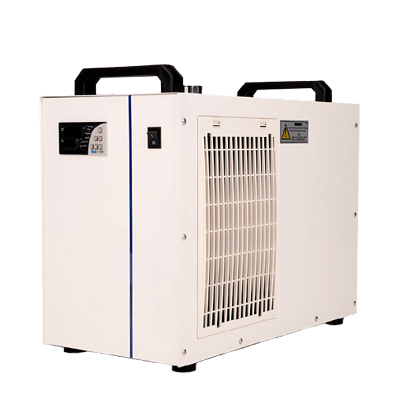
| Cooling Method | Water cooling |
| Weights | Optical path: 21.3kg, Power: 8.4kg, Water tank: 29.5kg |